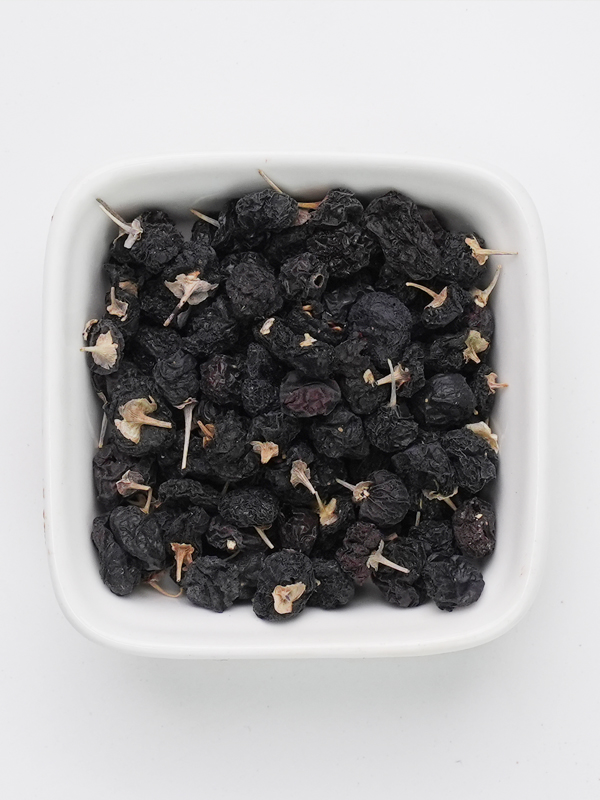
As consumer skepticism toward synthetic nutritional supplements grows, the "super berries" native to Asia—sea buckthorn and goji berry (also known as wolf berry)—are emerging as star ingredients in the global functional food and beauty wellness sectors. From sea buckthorn oil to black goji berry, and from sea buckthorn extract to freeze-dried goji, this industrial chain is witnessing unprecedented growth momentum.
1. Sea Buckthorn: From Windbreak to "Golden Nutrition Bank"
Sea buckthorn, a drought-tolerant shrub long used for ecological restoration in Northwest China and parts of Europe, has recently gained significant attention from biotech companies due to the rich nutritional profile of its berries—particularly Omega-7 fatty acids, vitamin C, and flavonoids. Sea Buckthorn Extract is now widely used to support skin barrier function, repair mucous membranes, and promote cardiovascular health. Industry data shows that the global sea buckthorn extract market grew by 12.3% year-on-year in 2024, with the fastest growth observed in Northern Europe and North America.
At the same time, sea buckthorn oil is moving from specialized supplements into the mainstream beauty and personal care sector. Whether in softgel capsules for oral consumption or high-end creams and lip balms, sea buckthorn oil is marketed for its restorative, anti-inflammatory, and natural vitamin C properties. For example, Swiss brand Purovitalis recently launched a sea buckthorn compound softgel focused on "internal skin antioxidant support," which sold over 500,000 bottles within three months of launch.
2. Goji Berry 2.0: From Red to Black, From Tea Infusion to Extracts
Traditional red goji berries have long been considered a "vision health" staple, with a highly mature market. In contrast, black goji berry, which commands a higher price premium due to its high anthocyanin content (two to three times that of blueberries), has become a new favorite in premium functional foods. Anthocyanins in black goji, particularly petunidin-3-O-glucoside, have been shown in multiple studies to offer anti-glycation benefits, improve night vision, and help regulate uric acid levels.
On the processing front, the sale of raw dried berries is gradually giving way to B2B ingredient trade involving high-purity sea buckthorn extract and goji berry polysaccharide extracts. In early 2025, U.S.-based functional ingredient supplier Applied Food Sciences launched a water-soluble black goji extract powder designed for ready-to-drink beverages and meal replacements. Meanwhile, a biotech company in Ningxia, China, invested RMB 260 million to build a production line with an annual capacity of 500 tons of goji berry glycopeptides, exporting its products to pharmaceutical companies in Japan and the EU.
3. Controversies and Regulations: Who Defines "Super Berries"?
Despite strong market momentum, the industry faces two major challenges. First, terminology confusion has led to labeling disputes in cross-border e-commerce. "Wolf berry" and "goji berry" do not have a unified botanical standard in some countries, leading to incidents where European customs authorities have detained dried goji berries labeled as "wolf berry," requiring proof that they are not toxic plants from the Solanaceae family. Second, heavy metals and pesticide residues remain a concern: sea buckthorn and goji berries have a strong ability to absorb lead and cadmium from soil. The European Union and the United States have tightened lead limits on imported goji berries from 0.2 ppm to 0.1 ppm. In response, leading companies are adopting supercritical CO₂ extraction technology for sea buckthorn oil and extracts, which removes fat-soluble pesticide residues while preserving heat-sensitive bioactive compounds.
4. Future Outlook: From Single Ingredients to Synergistic Formulations
Notably, compound formulations combining sea buckthorn and black goji berry are gaining traction in the ready-to-consume segment. For example, a new tea brand launched a "Purple-Gold Berry Popping Pearls" drink, where sea buckthorn puree is encapsulated in popping boba pearls and paired with black goji freeze-dried powder. Priced at RMB 28 per cup, the product sold out within one week of launch. In the supplement sector, a compound formulation targeting sleep-deprived consumers—"SBE (sea buckthorn extract) + BGB (black goji berry) gummies"—has entered the top ten bestseller list in its category on Amazon US.
Conclusion
From the Gobi Desert to global superfood shelves, the story of sea buckthorn and goji berries has transcended their traditional "food and medicine homology" roots. Driven by advances in extraction technology, the expansion of consumption scenarios toward younger demographics, and more rigorous cross-border compliance management, this "red, gold, and black" berry industry chain is poised to become a hundred-billion-yuan essential health market over the next five years. For brands, the key question remains: can they back up their marketing claims with clinical data, and address safety concerns with fully traceable supply chains?