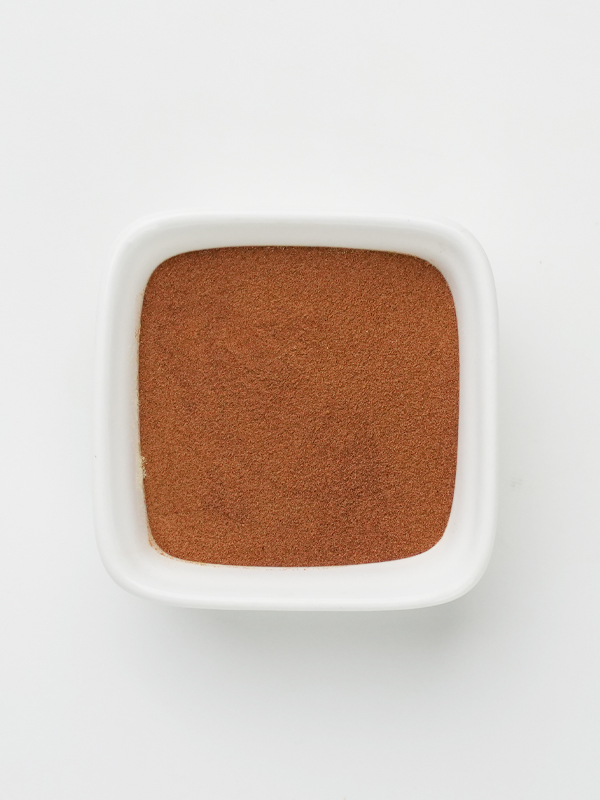
As the "food as medicine" philosophy moves from Eastern tradition to global health mainstream, sea buckthorn and goji berries (also known as wolfberry) – the "red gold and black gold" duo – are aggressively capturing the functional food, beauty, and dietary supplement sectors in the form of extracts, oils, and more. Recently, breakthroughs in research on black goji berry anthocyanins and a sharp rise in cross-border orders for sea buckthorn oil signal an accelerating industrial revolution around these superfruits.
1. From Whole Berries to High-Value Ingredients: Extracts and Oils Become Profit Drivers
Global market data shows that in the first half of 2024, exports of sea buckthorn extract grew 27% year-on-year, with Europe and North America accounting for over 60% of that volume. Unlike traditional dried berries, standardized extracts – which clearly list levels of flavonoids, proanthocyanidins, and vitamin C – have become a procurement focus for supplement brands. Meanwhile, sea buckthorn oil, with its unique omega-7 fatty acids and proven skin and mucosal repair benefits, is surging in the beauty-from-within category. Data from a leading cross-border e-commerce platform shows that repurchase rates for sea buckthorn oil capsules in Germany and Australia are 32% higher than for standard fish oil.
1. From Whole Berries to High-Value Ingredients: Extracts and Oils Become Profit Drivers
Global market data shows that in the first half of 2024, exports of sea buckthorn extract grew 27% year-on-year, with Europe and North America accounting for over 60% of that volume. Unlike traditional dried berries, standardized extracts – which clearly list levels of flavonoids, proanthocyanidins, and vitamin C – have become a procurement focus for supplement brands. Meanwhile, sea buckthorn oil, with its unique omega-7 fatty acids and proven skin and mucosal repair benefits, is surging in the beauty-from-within category. Data from a leading cross-border e-commerce platform shows that repurchase rates for sea buckthorn oil capsules in Germany and Australia are 32% higher than for standard fish oil.
2. The Diverging Paths of Two Goji Cousins: Red Goji Holds Steady, Black Goji Goes Premium
Traditional wolfberry still dominates the medicinal food and snack market, but its growth curve has flattened. The real dark horse is black goji berry, which contains two to three times more anthocyanins than blueberries and is naturally sugar-free, appealing to carb-conscious consumers. In 2024, premium grocers like Whole Foods in the U.S. have listed black goji berry powder as a "next-generation superfood." In China, one leading brand’s black goji puree single product exceeded RMB 300 million in annual sales – a clear sign that this ingredient has moved from niche wellness to mainstream functional food.
3. Industry Pain Points and Solutions: Standardization and Traceability Become Key Competitive Weapons
Despite explosive demand, the market faces quality inconsistencies: some sea buckthorn oils are adulterated, reducing omega-7 levels, and black goji anthocyanin content varies significantly by origin and harvest time. In response, leading players are adopting a "dual certification" strategy – EU organic plus geographic indication. For example, the Qaidam Basin in Qinghai is promoting GAP-certified black goji plantations, while sea buckthorn producers in Xinjiang and Inner Mongolia are rolling out blockchain-based traceability systems – scan the code to see the full journey from cultivation and cold-pressing to third-party lab reports.
4. Future Outlook: Cross-Category Blends and Emotional Wellness Applications
Industry experts predict the next wave of innovation will focus on complex formulations: sea buckthorn oil plus curcumin for joint inflammation, black goji berry with GABA for sleep support and antioxidant protection, and sea buckthorn extract combined with probiotics for gut immunity. To meet the on-the-go wellness needs of Gen Z, portable sea buckthorn gummies and black gobi berry effervescent tablets are already in the prototyping stage. One industry analyst noted, "Competition among superfruits has shifted from raw ingredients to lifestyle solutions. The brands that tell compelling stories – 'eat your way to glowing skin' or 'drink away chronic fatigue' – will capture the next wave of growth."
Conclusion
From the goji farms of Ningxia to the sea buckthorn forests of Siberia, a "red-and-black gold" industrial belt is being reshaped by technology, shifting consumer values, and globalization. For brands, securing prime sourcing regions, locking in high-purity extraction processes, and investing in evidence-based research will be essential to thrive through market cycles. In today's increasingly informed health market, consumers don't just pay a premium for the word "super" – they pay for verifiable milligrams of active ingredients.